

 Deutsch
  Français
  Türkçe
  العربية
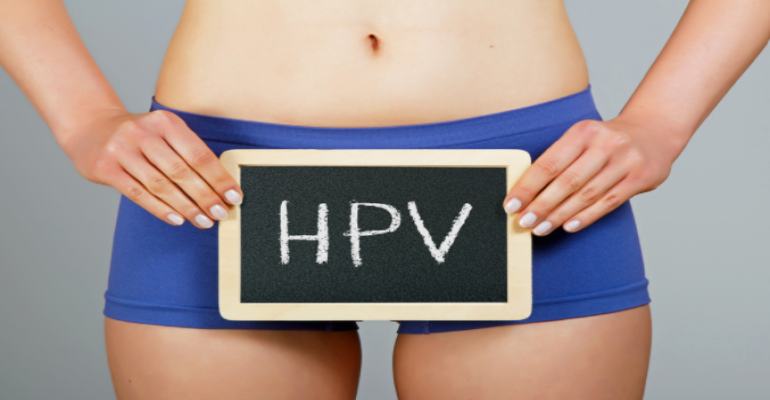
Genital warts are sexually transmitted infections that occur in the genital area due to HPV infections and can be seen in both women and men. More than 200 types of the HPV (Human Papillomavirus) have been identified, and approximately 40 of them cause genital warts. Over 90% of all genital wart cases are caused by HPV types 6 and 11 [1].
After entering the body, the virus is usually suppressed or eliminated by the immune system. If not suppressed, the types that cause genital warts may show symptoms on average 8–10 weeks after transmission; however, they can remain silent for months or even years. Whether symptoms are present or not, there is still a risk of transmission [1].
“ ”HPV types 6 and 11 cause genital warts but do not lead to cancer. HPV types 16 and 18 are the main causes of cervical cancer. Therefore, HPV vaccination and regular screening are essential for women’s health.
How Is HPV Transmitted?
HPV can affect both women and men. In addition to vaginal and anal intercourse, HPV can also be transmitted through skin-to-skin contact in the genital area not covered by condoms. In rare cases, transmission through oral contact has also been reported. However, HPV is not transmitted through kissing, towels, utensils, glasses, or shared toilets [1].
In pregnant women carrying HPV, the virus may be transmitted to the baby during delivery; HPV types 6 and 11 carry the highest risk for perinatal transmission [2]. It is not possible to determine from which partner the virus was transmitted or how long it has been in the body.
How Can You Protect Yourself from HPV?
- Always use condoms during sexual intercourse.
- Individuals receiving treatment for genital warts should avoid sexual activity until full recovery.
- The 9-valent HPV vaccine (Gardasil 9) provides protection against 9 HPV types, including types 6 and 11 that cause warts and types 16 and 18 that cause cancer [2].
For detailed information about HPV screening and vaccination, you can visit our page HPV screening test and HPV vaccine.
What Are the Symptoms of Genital Warts?
Genital warts typically present with clear symptoms. They appear as small, raised, rough-surfaced lesions resembling tiny bumps. When multiple, they may cluster together and form a cauliflower-like appearance. Initially, they may be skin-colored or brownish and usually do not cause discomfort; however, they can sometimes cause itching or bleeding during sexual intercourse [1].
The most common locations for genital warts are: in women—vulva, inside and around the vagina, around the anus, groin area, and cervix; in men—penis, testicles, and around the anus.
How Are Genital Warts Diagnosed?
Genital warts are usually diagnosed through physical examination. A dermatologist, gynecologist, or urologist can make the diagnosis through visual inspection. In women, they may also be detected during routine gynecological examinations. To determine the HPV type and assess cervical cancer risk, the following tests may be performed [1, 2]:
- Pap smear test
- HPV DNA test
- Colposcopy
- Cervical biopsy
How Are Genital Warts Treated?
There is no specific treatment to completely eliminate HPV from the body; however, effective methods are available to remove the warts. Treatment is determined based on the size, number, location of the warts, and the patient’s overall condition [1]:
- Topical creams (podophyllotoxin, imiquimod, sinecatechins): Can be applied by the patient at home.
- Cryotherapy (freezing): Has a success rate of 44–75% and can be safely applied during pregnancy.
- Trichloroacetic acid (TCA): A physician-applied chemical treatment.
- Surgical excision: Provides nearly 100% clearance and has the lowest recurrence rate.
- Electrocautery / CO₂ laser: Preferred for large or recurrent lesions.
Even after treatment, the recurrence rate is around 20–30%, so follow-up appointments and partner notification are important [1].
For more information about cervical cancer, you can visit our page what is cervical cancer and how is it treated?.