

 Deutsch
  Français
  Türkçe
  العربية
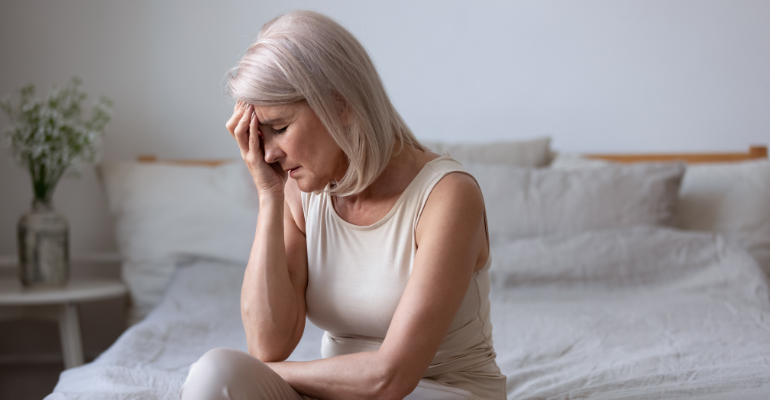
Menopause is a natural phase in a woman’s life cycle; however, it is often experienced as a complex transition period during which physical and psychological changes can be intense. Symptoms such as hot flashes, sleep disturbances, dry skin, weight gain, osteoporosis, and decreased libido—arising from hormonal changes—can turn this period into not only a biological but also a psychological challenge [1].
At this point, anti-aging and functional medicine approaches come into play, aiming to reduce the effects of menopause and help women go through this process in a healthier, stronger, and more confident way. Op. Dr. Serpil Kırım, who provides menopause management and holistic medical practices in Istanbul, supports this transition in her clinic with both medical and personalized supportive methods, paving the way for healthy aging.
“ ”Menopause is not an end; it represents a conscious transformation and a return to balance. With the right approach, this period can be experienced with health, beauty, and inner strength.
What Is Menopause?
Menopause is a biological phase characterized by the permanent cessation of menstruation and the stopping of estrogen production by the ovaries. It typically occurs between the ages of 46 and 55 [1]. It consists of three main stages:
- Perimenopause: The period when menstrual cycles become irregular and initial symptoms begin
- Menopause: The condition of having no menstruation for 12 consecutive months
- Postmenopause: The period after menopause; some symptoms may persist for a long time
Common Problems During Menopause
The decrease in estrogen production can lead to a wide range of symptoms, including vasomotor symptoms (hot flashes, night sweats), urogenital atrophy, sexual dysfunction, mood changes, bone loss, and an increased risk of cardiovascular disease and diabetes [1]. The main issues include:
- Hot flashes and night sweats
- Sleep disturbances and fatigue
- Mood swings, anxiety, and depression
- Sagging skin, wrinkles, and dryness
- Vaginal dryness and decreased libido
- Osteoporosis and decreased bone density
- Weight gain and slowed metabolism
- Mental fog and forgetfulness
- Loss of self-confidence and social withdrawal
For more detailed information about ozone therapy, you can visit our page what is ozone therapy and is it suitable for everyone?.
Menopause Support with Anti-Aging Approach
Anti-aging is not only about appearance; it is a discipline that aims to slow down biological aging, support cellular regeneration, and maintain systemic balance in the body. In our clinic, we approach menopause not as a pause but as a transformation phase and create personalized programs based on the physical, mental, and aesthetic needs of each woman.
Hormone Replacement Therapy (MHT/BHRT)
Menopause hormone therapy (MHT) is considered the most effective approach in international guidelines, reducing vasomotor symptoms by 70–90% and preserving bone mineral density [2]. Meta-analyses show that MHT reduces the risk of hip, spine, and overall fractures by 20–37% [2]. Bioidentical hormone therapy (BHRT) balances hormone levels using molecules similar to natural estrogen and is always personalized and monitored regularly.
Nutrition and Micronutrient Support
- Antioxidant-rich diets that reduce inflammation
- Fiber-rich nutrition plans that maintain glycemic balance
- Probiotic-based approaches to support gut health
Vitamin, Mineral, and Cellular Support
- Vitamin D + Calcium: Essential for bone health in estrogen deficiency
- Glutathione: Provides cellular detox and strengthens immunity
- Vitamin C: Supports collagen production and immune function
- NAD+: A molecule that slows cellular aging and enhances mitochondrial function
- Coenzyme Q10, Omega-3, Magnesium and other vital supplements
Ozone Therapy
This therapy enhances oxygenation, strengthens the immune system, and supports mitochondrial health. It has positive effects on fatigue, brain fog, and overall well-being.
Medical Aesthetics and Skin Support
- Improves skin elasticity and radiance with collagen, hyaluronic acid, and PRP treatments
- Delays signs of aging through laser treatments and mesotherapy
Vaginal Rejuvenation and Sexual Health
According to the International Menopause Society 2024 Congress results, vaginal estrogen therapy is approved as a safe and effective option, while vaginal DHEA and ospemifene are suggested as alternatives. Testosterone therapy may also help with low sexual desire in postmenopausal women [3].
Mental and Psychological Support
- Inner balance can be achieved through meditation, breathing techniques, and yoga
- Psychotherapy plays an important role in managing anxiety, depression, and identity transformation
The Role of Functional Medicine in Menopause
Functional medicine views menopause not only as a hormonal change but as a systemic restructuring process involving the immune system, digestion, energy production, liver detoxification, and neurological balance. In our clinic, menopause management includes:
- Comprehensive hormone and mineral analyses
- Gut microbiota and permeability testing
- Liver and detox function assessments
- Thyroid, adrenal, and pancreatic function tests
- Psychological profiling and personalized stress management plans
For more information about sexual dysfunction and vaginal dryness, you can visit our page sexual dysfunction.
Frequently Asked Questions (FAQ)
Is hormone therapy (MHT) safe?
Yes, when applied to the right candidate with the appropriate formulation, it is considered safe. International guidelines indicate that starting MHT before the age of 60 and within 10 years of menopause provides cardiovascular and bone protection.
When does menopause start and how long does it last?
Menopause typically occurs between ages 46–55 and is defined as the absence of menstruation for 12 months. Some symptoms may last 7–10 years or longer.
Can osteoporosis be prevented during menopause?
Yes. MHT reduces fracture risk, and combined with vitamin D, calcium, exercise, and proper nutrition, it supports bone health.
Can vaginal dryness and sexual problems be treated?
Yes. Options include vaginal estrogen therapy, laser treatments, PRP, and DHEA-based treatments.
Does the anti-aging approach really work during menopause?
Yes. Approaches like NAD+, glutathione, ozone therapy, and nutritional optimization positively impact energy, skin health, immunity, and overall quality of life.
References
- Naseri, K., et al. (2024).
- Mukherjee, A., et al. (2025).
- International Menopause Society (IMS). (2025).