

 Deutsch
  Français
  Türkçe
  العربية
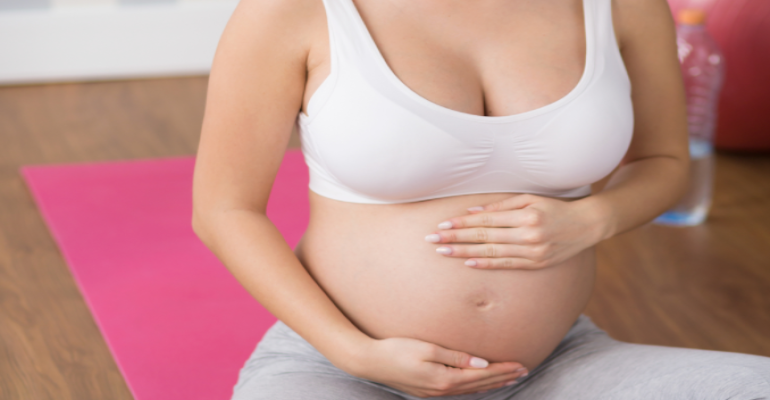
Lamaze Birth
Lamaze birth is more of a birth philosophy rather than a birth method. Developed by Fernand Lamaze, this philosophy aims for the mother to actively participate in the birth process, allowing labor to progress naturally.
In Lamaze birth, both the mother and the father are encouraged to actively engage in the learning process to achieve a natural and healthy experience. Research shows that Lamaze breathing exercises are effective in managing pain and stress during labor, helping the mother remain calm and increasing confidence through muscle relaxation and structured breathing techniques [1].
“ ”The core of the Lamaze philosophy is this: the female body is designed to give birth. When fear is reduced and the body and mind are prepared, birth progresses in its natural flow.
What Is the Basis of the Lamaze Philosophy?
The Lamaze philosophy is based on the following principles:
- Pregnancy is a normal and natural process.
- The mother’s body has all the necessary capacity to carry, nourish, and grow the baby.
- Mental and physical preparation for birth is essential for a healthy pregnancy and delivery.
- A stress-free environment is important for both the mother and the baby.
- The mother has the right to choose a birth without unnecessary medical interventions.
- Birth can take place anywhere as long as safe conditions are provided.
- A supportive team should be present to reduce the mother’s stress.
- The mother should be free to move as she wishes during labor.
To prepare mentally and physically for birth, you can explore our mental preparation for birth guide.
What Are the Criteria of Lamaze Birth?
The criteria of the Lamaze philosophy are also supported by the World Health Organization (WHO). The WHO’s 2018 guideline “Intrapartum Care for a Positive Childbirth Experience” confirms these evidence-based principles [2]:
- Labor should begin spontaneously without external intervention.
- The mother should be free to choose her position throughout labor.
- The mother should receive emotional and physical support from the birth team and partner.
- Routine interventions should be avoided unless necessary.
- The mother should begin pushing naturally in a comfortable position.
- Mother and baby should remain together immediately after birth with skin-to-skin contact.
- Breastfeeding should begin within the first 30 minutes after birth.
How Is Lamaze Training Given?
The goal of Lamaze training is to educate expectant mothers about childbirth, teach breathing techniques, promote relaxation, and help them approach labor calmly. The first step is to eliminate fear related to childbirth.
According to Lamaze philosophy, fear is the main cause of pain during labor. When a mother feels fear, it suppresses the hormones necessary for birth, increasing pain perception. Additionally, restricting movement during labor can increase stress levels.
During childbirth education, parents learn techniques such as relaxation, breathing, massage, and movement. Studies show that women who learn these techniques have higher self-confidence and use them more effectively during labor [3].
A large meta-analysis involving 22 randomized controlled trials found that Lamaze breathing training significantly increases the rate of natural birth and shortens labor duration [1].
To learn more about skin-to-skin contact and secure bonding after birth, visit our page on skin-to-skin contact and bonding.
What Is Taught in Lamaze Training?
- Breathing exercises
- Relaxation techniques
- Visualization
- Soothing massage
- Movement and dancing
- Birthing positions and active participation techniques
Frequently Asked Questions (FAQ)
- ❓
Is Lamaze only for vaginal birth?
No. Lamaze is a philosophy that prepares the mother for all types of birth, including cesarean.
- ❓
When should I start Lamaze training?
It is generally recommended to start in the second trimester and practice regularly until birth.
- ❓
Should fathers participate?
Yes. Informed fathers can provide more effective support during labor.
- ❓
Do Lamaze techniques eliminate pain?
No, but they significantly improve the ability to cope with pain.
- ❓
Who supports Lamaze criteria?
The criteria align with WHO guidelines and are supported by scientific evidence.
References
- Wu, C., et al. (2021). Lamaze breathing training meta-analysis.
- World Health Organization (2018). Intrapartum care guidelines.
- Leutenegger, V., et al. (2022). Breathing and relaxation techniques study.