

 Deutsch
  Français
  Türkçe
  العربية
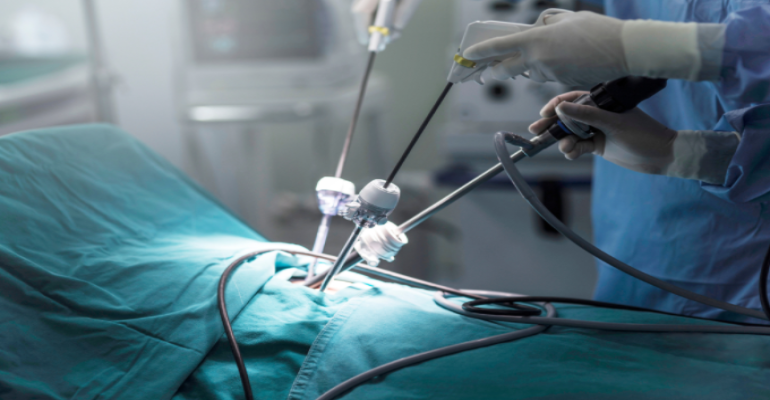
Endoscopic surgeries are modern surgical procedures performed without large incisions into the body, using specialized cameras and surgical instruments. In gynecology and obstetrics, endoscopic surgeries offer significant advantages in both diagnosis and treatment processes. Thanks to these methods, patients experience less pain, have shorter hospital stays, and return to daily life much faster [1].
The most commonly used endoscopic surgical methods in gynecology are hysteroscopy and laparoscopy. These two methods target different anatomical areas and are applied for different purposes. However, both play a crucial role in protecting women’s health and supporting reproductive potential.
“ ”Endoscopic surgery provides maximum treatment success without large incisions. These minimally invasive methods mean less pain, faster recovery, and a lower risk of complications.
What Is Hysteroscopy?
Hysteroscopy is an endoscopic surgical method that allows direct visualization of the inside of the uterus. In this procedure, a thin optical device equipped with a camera and light source is inserted through the vagina, passing the cervix into the uterus. The inner surface of the uterus is examined in detail, and any pathological formations can be clearly identified [2].
Since hysteroscopy does not require surgical incisions, it prioritizes patient comfort. This method can be used for both diagnostic and therapeutic purposes. Research shows that hysteroscopy can detect intrauterine pathologies in 20–40% of cases even when transvaginal ultrasound findings are normal [2].
When Is Hysteroscopy Performed?
- Irregular, excessive, or postmenopausal menstrual bleeding
- Unexplained infertility
- Recurrent pregnancy loss (miscarriage)
- Pre-IVF/IUI uterine evaluation
- Suspicion of polyps, submucosal fibroids, adhesions, or uterine septum
Operative Hysteroscopy and Treatment Options
Operative hysteroscopy allows for the removal of intrauterine polyps, excision of submucosal fibroids, treatment of intrauterine adhesions, and correction of uterine septa. According to the current SOGC Guideline No. 446, hysteroscopic adhesiolysis is strongly recommended for infertile patients with intrauterine adhesions [3]. Most patients can be discharged on the same day after the procedure.
For detailed information about hysteroscopy, you can visit our page what is hysteroscopy and why is it performed?.
What Is Laparoscopy?
Laparoscopy is an endoscopic surgical method used to evaluate and treat abdominal organs. In this procedure, a camera and surgical instruments are inserted through a few small incisions made in the abdominal area. Compared to open surgery, this method offers less pain, shorter hospital stays, and faster recovery [1].
ACOG recommends minimally invasive approaches such as laparoscopy whenever possible. According to a Cochrane meta-analysis, patients return to normal activity approximately 13 days earlier with laparoscopic methods compared to open surgery [1].
When Is Laparoscopy Preferred?
- Diagnosis and treatment of endometriosis
- Removal of ovarian cysts
- Treatment of ectopic pregnancy
- Removal of pelvic adhesions
- Unexplained chronic pelvic pain
- Evaluation of tubal patency and pelvic anatomy in infertility
- Laparoscopic removal of fibroids (myomectomy)
Differences Between Hysteroscopy and Laparoscopy
Although both are endoscopic procedures, they target different anatomical areas. Hysteroscopy is performed vaginally, requires no incision, and evaluates the inside of the uterus. Laparoscopy, on the other hand, is performed through small abdominal incisions and examines intra-abdominal organs. Hysteroscopy is generally quicker and less invasive. When applied with the correct indication and experienced medical expertise, both methods are highly safe and effective.
Advantages of Endoscopic Surgery
- Lower risk of infection due to absence of large surgical incisions
- Less postoperative pain and faster recovery
- Ability to perform both diagnosis and treatment in the same session
- Shorter hospital stays; most patients discharged the same day
- Preservation of reproductive organs in women of childbearing age
- Significantly lower complication rates compared to open surgery
For more information about laparoscopy, you can visit our page what is laparoscopy and why is it performed?.