

 Deutsch
  Français
  Türkçe
  العربية
What is a Hysterectomy, and in Which Cases is it Performed?
For centuries, social judgments imposed on the female body have attributed significant importance to the uterus. The perception of hysterectomy (removal of the uterus) as a worrying event, regardless of the underlying reason, is a reflection of these societal beliefs. Although removing the uterus eliminates the possibility of having biological children, it does not prevent a person from becoming a mother in other ways nor from continuing a healthy life as a woman.
Therefore, if medical conditions require the removal of the uterus, no woman should approach this situation with prejudice; instead, she should prioritize her health over societal roles.
“ ”Hysterectomy is a safe and effective surgical procedure that can significantly improve quality of life when performed with the correct indication. Modern minimally invasive techniques greatly shorten the recovery period.
What Is a Hysterectomy?
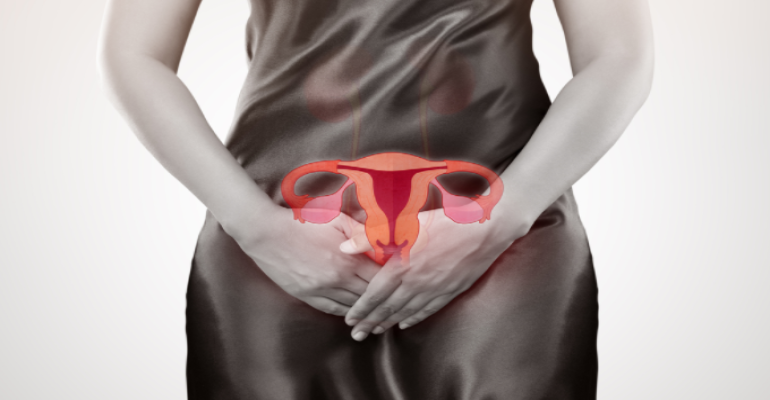
Hysterectomy, commonly known as uterus removal surgery, is the surgical removal of the uterus, the female reproductive organ where a baby implants and develops. The uterus can be removed through the abdomen, vaginally, or via laparoscopic methods in order to treat underlying medical conditions [1].
Although this procedure ends a woman’s ability to reproduce, it generally does not cause issues related to sexuality or menopause. Thanks to recent medical advancements, patients can continue their lives in a healthy way after a comfortable surgical process.
In Which Cases Is Hysterectomy Performed?
Hysterectomy is included in the treatment protocols of many diseases. It is used in a wide range of conditions, from fibroids to cancers affecting the reproductive system. It is also a preferred method in cases of severe and persistent vaginal bleeding. The main indications include [1]:
- Uterine cancer
- Cervical cancer
- Ovarian cancer
- Endometriosis (chocolate cysts)
- Fibroids that cannot be treated with medication
- Fibroids causing urinary incontinence, constipation, or back pain
- Intermenstrual bleeding
- Advanced uterine prolapse
For more detailed information about uterine prolapse, you can visit our page what is uterine prolapse and how is it treated?.
How Is Hysterectomy Performed?
The surgical method varies depending on the patient’s age, weight, uterine size, and clinical condition. According to ACOG guidelines, minimally invasive approaches should be preferred whenever possible; vaginal hysterectomy is recommended as the first choice when suitable, as it provides the best outcomes [1].
The main surgical methods are:
- Vaginal hysterectomy: No abdominal incision is made; the procedure is performed through the vagina. It has the shortest recovery time and is recommended as the first choice when appropriate [1].
- Laparoscopic hysterectomy: Small incisions are made in the abdomen, and a laparoscope is used to perform the surgery. Compared to open surgery, return to normal activities is on average 13 days earlier [2].
- Open (abdominal) hysterectomy: Performed through a larger abdominal incision. It is preferred in cases such as adhesions or very large uterus, but the recovery period is longer [1].
The operation typically lasts between 1–2 hours.
What Should Be Considered After Hysterectomy?
- A hospital stay of 1–2 days is generally recommended.
- Patients can start walking slowly 5–6 hours after surgery.
- Painkillers may be used as prescribed by the physician.
- Antibiotics should be taken as recommended by the doctor.
- A liquid-based diet is recommended for a few days to prevent constipation.
- Avoid heavy lifting and strenuous activities.
- Patients can shower after 48 hours.
- Sexual activity can usually be resumed after 30–45 days.
- If unexpected bleeding occurs, a doctor should be consulted.
For more detailed information about fibroid treatment, you can visit our fibroid treatment page.
Frequently Asked Questions (FAQ)
- ❓
Does menopause start immediately after hysterectomy?
If only the uterus is removed and the ovaries are preserved, menopause does not begin immediately because hormone production continues. If the ovaries are also removed, surgical menopause occurs.
- ❓
What is the difference between laparoscopic and open surgery?
Laparoscopic surgery allows faster recovery, less pain, and a lower risk of infection compared to open surgery.
- ❓
How does hysterectomy affect sexual life?
After the recovery period, sexual life can usually return to normal.
- ❓
Is hysterectomy a permanent solution?
Yes. It is a definitive treatment for many conditions and can significantly improve quality of life.
References
- ACOG
- Cochrane