

 Deutsch
  Français
  Türkçe
  العربية
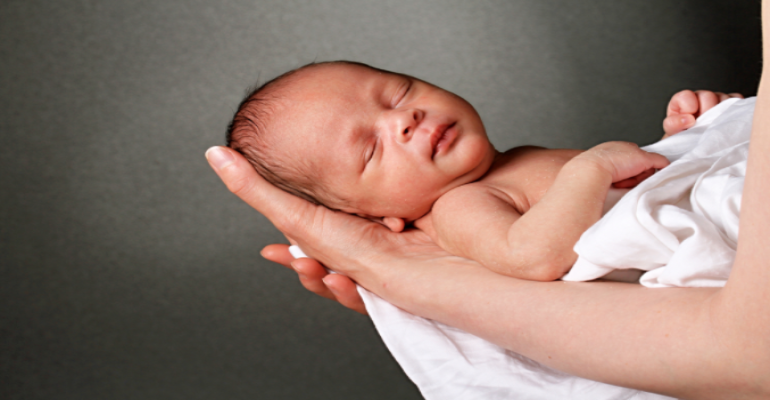
What are the conditions for attempting a vaginal birth after cesarean
With the increase in cesarean birth rates, options for delivery after a cesarean have become an important agenda for expectant mothers. In the past, the belief that "once a cesarean, always a cesarean" was widespread, but modern medical approaches have shown that this view is not absolute [1]. When appropriate conditions are provided and the right patient is selected, attempting a vaginal birth after cesarean (VBAC) is considered both safe and feasible. This approach is referred to in the literature as trial of labor after cesarean (TOLAC) and is abbreviated as SSVD.
“ ”The decision to attempt a vaginal birth after cesarean is not evaluated the same for every pregnancy; the most accurate approach is individualized medical analysis and safe birth planning.
Conditions for Attempting Vaginal Birth After Cesarean (SSVD)
Vaginal birth after cesarean (SSVD) refers to the attempt by a woman who has previously delivered via cesarean to attempt vaginal delivery in her subsequent pregnancy. This process requires careful evaluation of both maternal and fetal health. SSVD is not suitable for every expectant mother; certain medical, obstetric, and individual conditions must be met [2].
The main goal in attempting SSVD is to avoid unnecessary surgical interventions while ensuring the highest level of safety for both the mother and the baby. Therefore, the decision-making process should be based not only on the mother’s wishes but also on medical data, previous birth history, and the characteristics of the current pregnancy.
What is SSVD and Why is it Important?
SSVD involves a planned and controlled attempt at vaginal birth after cesarean. If successful, this method can prevent the mother from undergoing another major surgical procedure. It also has the potential to reduce the risks of complications related to cesarean section.
The increase in the number of cesareans also brings risks such as placental abnormalities, surgical complications, and adhesions in subsequent pregnancies. Therefore, SSVD, when suitable, is considered an important alternative both individually and from a public health perspective [1].
In planning vaginal birth after cesarean, understanding the general dynamics of the birth process is also important. For more detailed information about normal birth, please visit our related page.
Basic Criteria for Attempting SSVD
For attempting SSVD, the mother’s previous cesarean must meet certain basic criteria. These criteria help anticipate risks that may arise during labor.
The most fundamental conditions are:
- The previous cesarean was performed with a low transverse incision
- No history of classic (vertical) incision on the uterine wall
- The number of previous cesareans is typically limited to one
ACOG (American College of Obstetricians and Gynecologists) guidelines emphasize that the vast majority of women with a previous low transverse cesarean are candidates for SSVD and should be informed and encouraged to attempt vaginal birth [2]. These conditions are among the most important factors that reduce serious complication risks such as uterine rupture.
Why is the Reason for the Previous Cesarean Important?
The reason for the previous cesarean plays a significant role in SSVD planning. If the previous cesarean was performed due to the baby’s malpresentation or a temporary obstetric condition, the chances of success for SSVD may be higher [3].
On the other hand, cesareans performed due to structural problems with the birth canal or a stalled labor process may pose a higher risk of similar issues occurring again. This situation necessitates careful evaluation before attempting SSVD.
When evaluating the previous birth history, obtaining more comprehensive information about cesarean birth can help make a healthier decision-making process.
Uterine Rupture Risk and Evaluation
One of the most carefully considered risks in attempting SSVD is uterine rupture. In a uterus that has had a previous cesarean, there is a risk of rupture along the incision line during labor contractions.
According to ACOG Practice Bulletin No. 205, the risk of uterine rupture during SSVD for women with a previous low transverse incision is reported to be around 0.5–0.9% [2]. While this risk is low, it is not negligible. Therefore, SSVD should be planned in equipped centers where emergency cesarean interventions can be performed quickly. Continuous monitoring of the mother and baby is critical to identifying risks early.
Current Pregnancy Status and SSVD Suitability
The smooth progression of the current pregnancy is a key prerequisite for SSVD. The pregnancy week, the baby’s position, and development should be evaluated carefully.
Situations considered suitable for SSVD include:
- Single pregnancy
- Baby is in a head-down position
- Pregnancy is at or near term
These criteria increase the likelihood of safe vaginal progression of labor [2].
General Health Status of the Mother
The general health status of the expectant mother is a determining factor in the SSVD decision. Conditions such as uncontrolled diabetes, hypertension, or serious heart disease can complicate the delivery process.
For expectant mothers planning SSVD, regular monitoring throughout pregnancy is essential, and potential risks should be identified early. This approach helps prevent surprise complications during labor.
Spontaneous Onset of Labor and Its Importance
The spontaneous onset of labor is an important factor in increasing the chances of success for SSVD. In spontaneous labors, uterine contractions tend to be more physiological. Research shows that the spontaneous onset of labor significantly increases success rates in oxytocin-free SSVD attempts [3].
Artificial induction of labor, as it may increase the risk of uterine rupture, is used cautiously in SSVD attempts. Therefore, it is preferred that labor begin naturally.
Importance of the Birth Center
SSVD attempts should always be performed in a health center with an experienced team and appropriate equipment. The ability to quickly perform an emergency cesarean is crucial for the safety of both the mother and the baby [2].
Continuous fetal monitoring, availability of anesthesia and surgical teams, and well-equipped facilities ensure that the SSVD process is carried out safely.
Informed Consent and the Process
Attempting SSVD is a process that requires informed consent. The expectant mother must receive detailed information about possible risks, benefits, and alternative birth methods [2].
When the expectant mother makes an informed decision, it contributes to her psychological readiness for labor. This can directly affect the birth experience.
Potential Benefits of SSVD for the Mother
A successful SSVD prevents the mother from undergoing another surgical intervention. The recovery time after birth is typically shorter, and the risk of infection may be lower [1]. In fact, a large national data analysis covering the years 2010–2020 in the United States found that SSVD attempts and success rates have increased every year [4].
Furthermore, since the mother actively participates in the birth process, she may perceive the birth experience more positively. This is an important factor that supports psychological adaptation after birth.
Evaluation of SSVD for the Baby
It is thought that babies born via vaginal birth may have faster respiratory adaptation. The expulsion of lung fluid during the passage through the birth canal supports this process.
However, the baby’s heart rate must be closely monitored during SSVD attempts. Intervention should take place at the slightest sign of risk, as the baby’s health takes priority [2].
When Should SSVD Be Terminated?
If signs of risk emerge for the mother or baby during SSVD attempts, the process should be immediately switched to cesarean delivery. This is not seen as failure but as a correct medical decision made at the right time.
The main reasons for terminating SSVD include failure to progress, fetal distress, or any condition threatening the health of the mother [5].
General Evaluation
Attempting vaginal birth after cesarean, when the right conditions are provided and the right patient selection is made, can be a safe birth option. Literature data show that the success rate of vaginal birth after cesarean is generally between 60% and 80% for women who attempt SSVD [2]. This process requires individual assessment, an experienced team, and a well-equipped center.
Each expectant mother’s birth history and pregnancy are unique. Therefore, the decision for SSVD should be made through an individualized medical evaluation rather than by general rules. The goal is to always prioritize the health of both the mother and the baby.
Frequently Asked Questions (FAQ)
No. Vaginal birth after cesarean is not suitable for every expectant mother. The type of previous cesarean, the condition of the current pregnancy, the mother’s general health, and the capabilities of the birth center should all be assessed together.
The success rate varies depending on the individual birth history and the conditions of the current pregnancy, but SSVD attempts can be significantly successful in suitable candidates. The most accurate assessment is determined through individual analysis by an obstetrician.
One of the most carefully monitored risks in this process is the possibility of uterine rupture. While the risk is low, it is not entirely absent. Therefore, SSVD should be planned in a center equipped with emergency intervention capabilities.
Spontaneous onset of labor is one of the factors that can increase the likelihood of success in SSVD attempts. Natural labor processes tend to be more physiological, and the need for interventions may decrease.
No. If any risk for the mother or baby develops during labor, switching to cesarean is not considered failure but rather a correct medical decision made at the right time.
References
- American College of Obstetricians and Gynecologists (ACOG). Vaginal Birth After Cesarean Delivery (VBAC) — Patient FAQ. (https://www.acog.org/womens-health/faqs/vaginal-birth-after-cesarean-delivery)
- American College of Obstetricians and Gynecologists (ACOG). Practice Bulletin No. 205: Vaginal Birth After Cesarean Delivery. Obstetrics & Gynecology, 133(2), e110–e127. (2019). (https://journals.lww.com/greenjournal/fulltext/2019/02000/acog_practice_bulletin_no__205__vaginal_birth.40.aspx)
- Gyamfi-Bannerman, C., & Gilbert, S. (2004). Vaginal birth after Cesarean delivery: predicting success, risks of failure. PubMed PMID: 15280110. (https://pubmed.ncbi.nlm.nih.gov/15280110/)
- Bruno, A. M., et al. (2023). Trends in attempted and successful trial of labor after cesarean in the U.S. from 2010 to 2020. Obstetrics & Gynecology, 141(1), 173–175. PMC10477004. (https://pmc.ncbi.nlm.nih.gov/articles/PMC10477004/)
- Metz, T. D., et al. (2023). Trial of labor after cesarean, vaginal birth after cesarean, and the risk of uterine rupture: an expert review. American Journal of Obstetrics & Gynecology. (https://www.ajog.org/article/S0002-9378(22)00840-7/fulltext)